Quick answer
Yes. An empty leg is flown by the same aircraft, the same crew and under the same operator certificate as a fully-priced charter. There is no separate, lighter-touch regulatory category for discounted flights — the aircraft that repositions to Nice tonight is held to the identical maintenance schedule and pilot-qualification minimums it was held to when a client paid full price to fly out this morning. The discount reflects logistics, not compromise. The one genuine trade-off is schedule certainty, not safety: industry data puts the empty-leg cancellation rate at roughly 10–15%.
Key takeaways
- Regulators do not distinguish between a full-price charter and an empty leg — the same operator certificate covers both.
- Pilot minimums are substantial and identical either way: 1,500 total hours, an ATP certificate and a type rating for the specific aircraft.
- Maintenance runs on airframe hours and calendar time, not on who paid for the seat.
- ARGUS and Wyvern ratings audit the operator, so they apply to every flight that operator flies, empty legs included.
- The real variable between operators is compliance culture, not the rulebook — which is why the rating matters more than the price.
Live private jet hire availability across the whole market changes by the hour — worth checking before you assume a route is unavailable.
Why the question comes up at all
It is a fair question, and an intelligent one. In almost every other market, a 40–70% discount signals that something has been removed: a cheaper material, a thinner service, a corner quietly cut. Applying that instinct to aviation is sensible consumer scepticism, not naivety.
Private aviation just happens to be a case where the instinct misleads, because the discount has nothing to do with the flight and everything to do with why the flight exists. An empty leg is a repositioning flight — the aircraft has to get from where it dropped its last client to wherever it is needed next, and it is going to fly that route whether or not anyone is sitting in the cabin. The operator's choice is not "cheap flight or expensive flight." It is "recover some revenue, or fly empty and recover none." That is the whole mechanism, and we cover it fully in one-way charter vs empty leg.

The same certificate covers both flights
Commercial charter flying is not something an operator can do casually. In the UK and Europe, a charter operator must hold an Air Operator Certificate (AOC), issued and continuously overseen by the national aviation authority. In the United States the equivalent framework is FAA Part 135. Both impose binding requirements on maintenance programmes, pilot training and qualification, crew duty and rest limits, operational control, and safety management.
The critical point for anyone weighing an empty leg: neither framework contains a discounted-flight exemption. An operator does not switch to a lighter set of rules because the cabin was sold at 60% off. The certificate governs the operator and every flight it conducts. When a jet lands at Nice on a full-fare charter and departs two hours later as an empty leg, nothing about its regulatory status has changed in the interval — same certificate, same operations manual, same oversight, same required paperwork.
This is set out in the standards maintained by bodies including the Federal Aviation Administration and, on the industry side, guidance from the National Business Aviation Association. Whichever jurisdiction a flight sits in, the pricing model is simply not a variable the regulator recognises.
What the crew actually has to hold
Much of the reassurance here is in specifics rather than adjectives. Charter pilots operating under Part 135 must typically meet minimums along these lines, and comparable standards apply under an AOC:
None of these move because a seat was discounted. The crew flying an empty leg is, in the overwhelming majority of cases, the same crew that flew the paid charter inbound — continuing the same duty period, under the same rest rules, in the same aircraft they are type-rated on.

Maintenance is measured in hours, not in ticket price
Aircraft maintenance runs on an entirely mechanical logic that has no awareness of commercial arrangements. Every manufacturer — Gulfstream, Bombardier, Cessna, Dassault — publishes mandatory maintenance programmes for its aircraft, and compliance is a condition of continued airworthiness, not an optional standard.
In practical terms that means comprehensive scheduled inspections at intervals such as every 100 flight hours or 12 months, whichever falls first, alongside daily and pre-flight checks and progressive replacement of components before end-of-life based on hours or cycles flown. Work is carried out by certified engineers with training specific to that aircraft type, using factory-specified parts.
Notice what is absent from all of that: any input for revenue. An airframe approaching a 100-hour inspection does not get to defer it because the next sector is discounted, and it does not get an early one because the next sector is full-fare. Maintenance is driven by the aircraft's own logbook.
Every leg we surface comes from ARGUS or Wyvern-rated operators — the same bar as a full-price charter.
See live empty legs →ARGUS and Wyvern: what the ratings actually audit
Because the regulatory floor is common to everyone, the meaningful differentiator between operators is how far above that floor they choose to operate. This is what independent safety ratings exist to measure, and they are the single most useful thing a passenger can check.
ARGUS ratings (Gold, Gold Plus, Platinum) are awarded following an audit covering pilot qualifications and experience, operational control — how flights are planned, dispatched and supervised — and maintenance records. Wyvern Wingman certification audits comparable ground, with particular weight on the operator's Safety Management System (SMS): the documented processes by which risks are identified, escalated and mitigated, plus crew training programmes and emergency procedure currency.
The crucial detail, and the one most often missed: these ratings apply to the operator, not to individual flights. An operator does not hold a Wyvern rating for its full-fare flights and a lesser standard for its repositioning legs. If the operator is rated, every sector it flies sits under that rating — which means checking the rating is a far more informative act than worrying about the price.
The real variable: compliance culture
Here is the honest nuance that most safety pages skip. Every legitimate operator faces the same manufacturer maintenance requirements and the same regulatory minimums. The requirements are not where operators differ. What differs is compliance culture — whether an operator treats the minimum as a target or as a floor.
Strong operators exceed the mandated pilot-hour minimums by a wide margin, run recurrent training more often than required, track and document exhaustively, and err conservatively on weather, duty time and technical snags. Weaker operators do the minimum and no more. Both may be entirely legal; they are not equally impressive. This is precisely what an ARGUS or Wyvern audit is designed to surface, and it is why the rating — rather than the fare — is the signal worth reading.

The safety record in context
It helps to place charter aviation against the thing most people instinctively compare it to: scheduled airline travel. Commercial aviation as a whole is extraordinarily safe, the product of decades of accumulated regulation, and business aviation operating under an AOC or Part 135 shares the great majority of that regulatory architecture — the same air traffic control system, the same certified airports and airspace, the same maintenance philosophy, the same weather-minima discipline.
Where charter differs from the airlines is mostly in scale and standardisation rather than in the fundamentals of safety. A major airline runs one aircraft type across thousands of near-identical flights; a charter operator runs a smaller, more varied fleet on bespoke routings. That variety is why the independent audit layer — ARGUS, Wyvern — matters so much in this sector specifically: it is the mechanism that brings consistency of oversight to an inherently less standardised business. An empty leg flown by a top-tier audited operator is being held to a bar that, in the ways that matter to a passenger, is genuinely comparable to the scheduled world.
The honest framing is not "empty legs are dangerous and you are trading safety for price" — the evidence does not support that at all. It is "charter safety varies more between operators than airline safety does, so who you fly with matters, and the rating is how you tell." Once you have chosen a well-rated operator, whether the specific seat was sold at full fare or as a repositioning leg changes nothing about the risk profile.
What actually covers you: insurance and liability
One area worth understanding properly, because it is where discounted-flight anxiety often lands, is insurance. Reputable charter operators carry substantial passenger liability insurance as a condition of operating commercially — it is not optional, and it is not scaled to the fare paid. The coverage that protects a passenger on a full-fare charter protects the identical passenger on an empty leg, because it attaches to the operator and the flight, not to the transaction.
Two distinct things are worth separating here. The first is the operator's liability insurance, which covers passengers and third parties and is part of what an AOC or Part 135 certificate requires — this is in place regardless of how you booked. The second is your own personal travel insurance, which is a different matter entirely and worth arranging separately, particularly given the empty-leg cancellation risk. A standard travel policy that covers trip disruption can turn the one genuine downside of an empty leg — the chance it does not fly — from a financial loss into a covered inconvenience. It is a small, sensible step that most flexible flyers overlook.
The questions worth asking before you book
Confidence in an empty leg comes less from generic reassurance and more from a few specific questions, all of which a legitimate operator or broker will answer without hesitation. Reluctance to answer any of them is itself the most useful signal you can get.
- "What is the operator's safety rating, and which tier?" — the single highest-value question. A confident, specific answer (ARGUS Gold Plus, Wyvern Wingman, and so on) is what you are listening for.
- "Which specific aircraft and tail number will fly this leg?" — lets you confirm the aircraft is real, current and appropriate, rather than a placeholder.
- "Is the operator's AOC (or Part 135 certificate) current?" — the baseline proof of legitimacy for commercial charter.
- "What passenger liability insurance is in place?" — confirms the coverage that protects you is active.
- "What happens if this leg is cancelled or rescheduled?" — surfaces the operator's policy on the one real risk, before it becomes a live problem.
None of these are awkward or unusual questions in this industry; they are routine due diligence, and asking them marks you as an informed traveller rather than a difficult one. An operator who answers all five crisply has effectively demonstrated the thing you were worried about.
Three persistent myths, corrected
A few misconceptions recur often enough to be worth naming directly.
Myth: empty legs use older or lesser aircraft
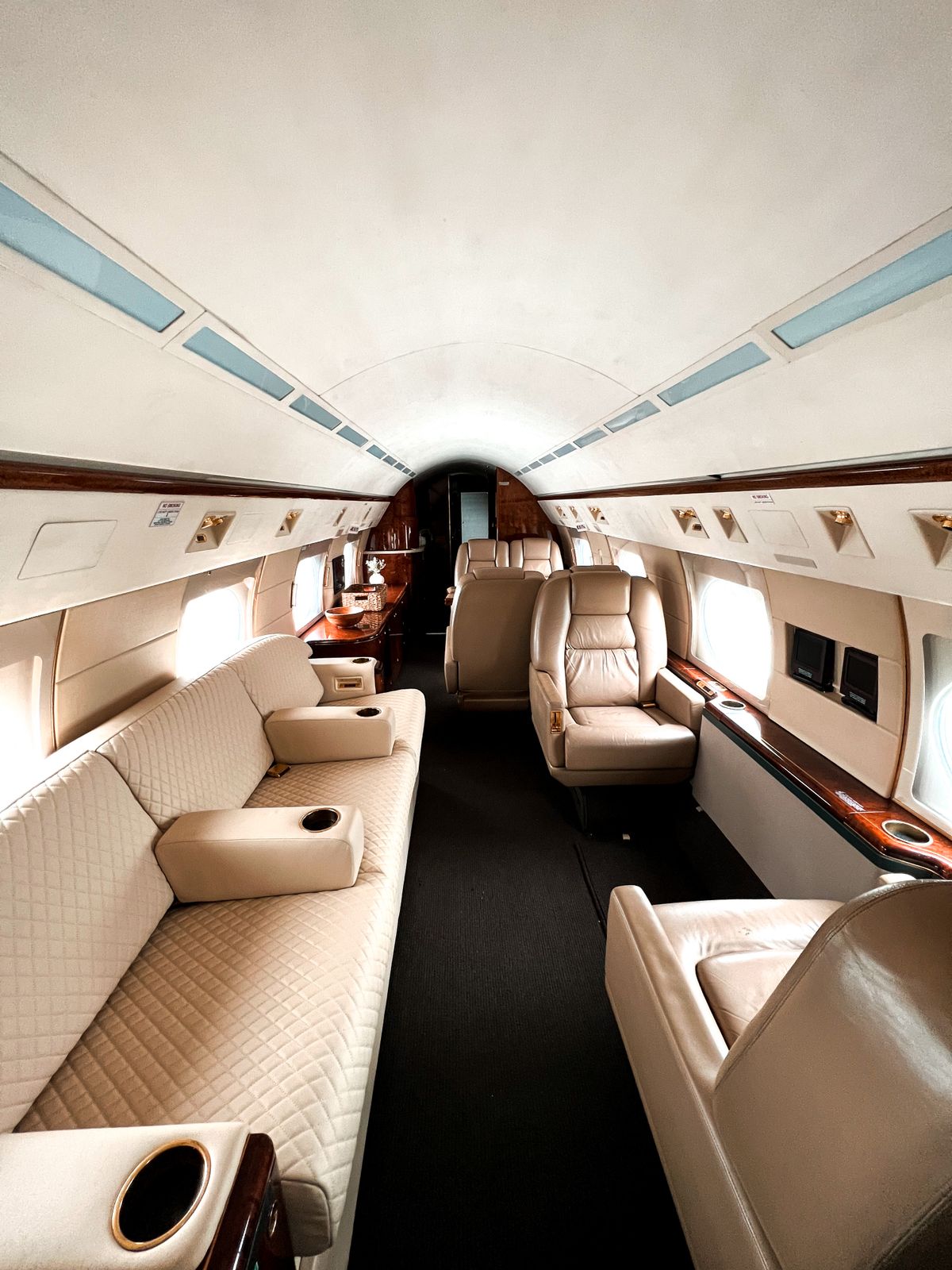
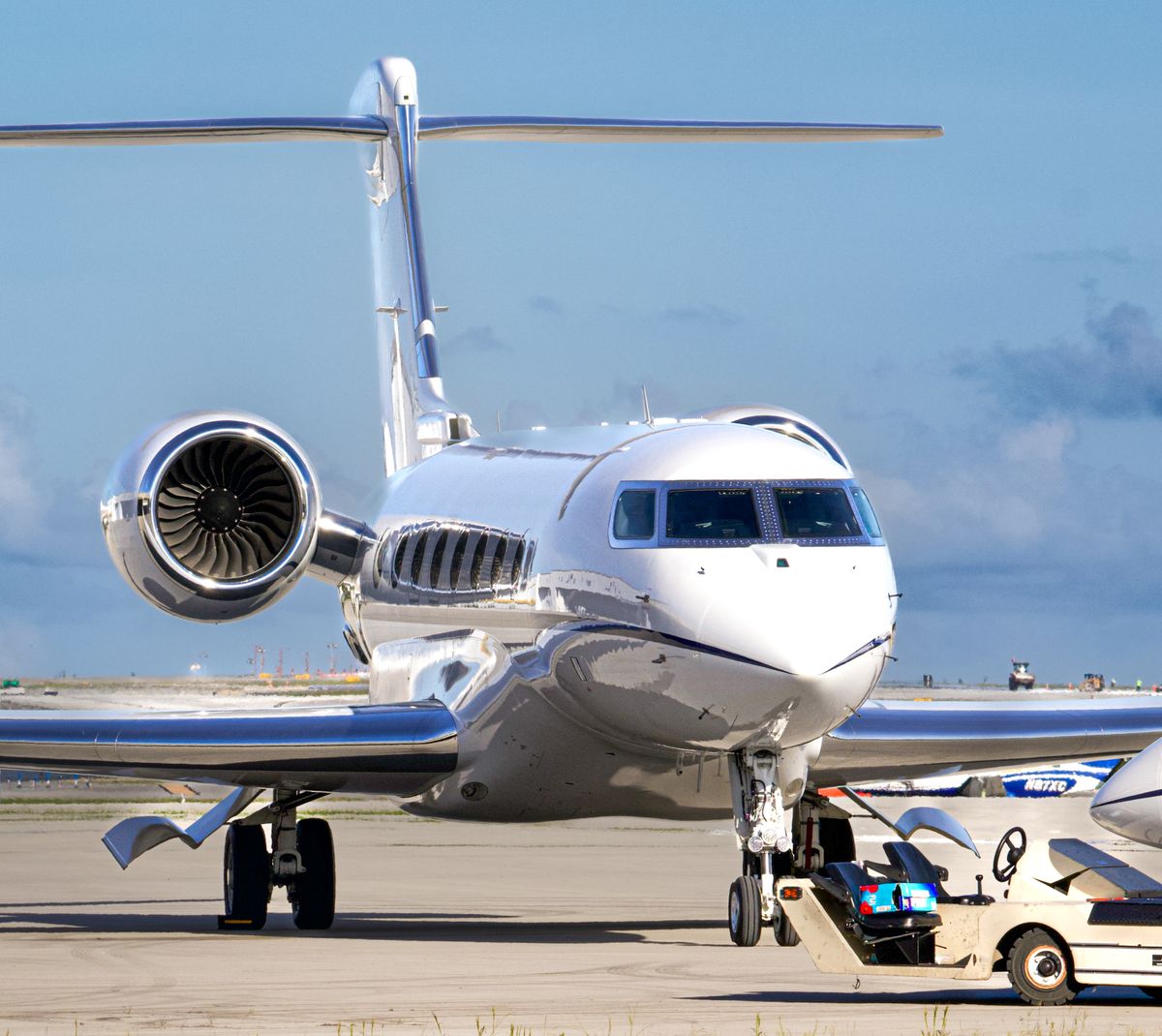
There is no separate empty-leg fleet. The aircraft repositioning to Nice tonight is the same jet that flew a paying client out this morning — it cannot be a different or downgraded aircraft, because it is physically the same airframe continuing its schedule. The idea of a shabby "discount fleet" simply does not correspond to how repositioning works.
Myth: empty legs are rushed or cut corners to save money
Pre-flight checks, fuel planning, weather assessment and crew procedures are procedural requirements tied to the flight, not cost centres an operator trims for a discounted seat. A repositioning leg goes through the identical process because the process is not optional and does not vary with the fare.
Myth: discounted flights fall under lighter regulation
This is the most common and the most wrong. There is no discounted-flight regulatory category. The AOC or Part 135 certificate governs the operator and every sector it flies; the commercial arrangement for a given seat is invisible to the regulator. A discounted price changes the invoice, not the oversight.
The genuine risk, stated plainly
Where empty legs really do differ from a dedicated charter is booking reliability — and it deserves a specific number rather than a vague caveat. Drawing on NBAA and Avinode industry data, roughly 10–15% of empty legs are cancelled or materially rescheduled, because the originating charter that created the repositioning need can shift: a client extends their stay, a departure moves, or the aircraft gets sold for a full-price job that pays better.
Read honestly, that cuts both ways. Around 85–90% of listed empty legs operate broadly as planned, so this is not a coin toss. But a one-in-seven-to-one-in-ten chance of disruption is entirely unacceptable for a fixed, must-arrive commitment, and completely tolerable for a flexible long weekend. That distinction — not safety — is what should drive the decision, and it is worked through in are empty legs worth it.
A five-minute pre-booking check
The same short list applies whether you are booking an empty leg or a full charter:
- Confirm the operator's safety rating — ARGUS (and which tier) or Wyvern Wingman. This is the highest-value single check available to a passenger.
- Ask which aircraft and tail number is scheduled. A legitimate operator or broker will tell you without hesitation.
- Confirm passenger liability insurance is in place, which reputable charter operators carry as standard.
- Check the operator holds a current AOC (or Part 135 certificate in the US) for the type of operation being flown.
- Take the cancellation risk seriously — if the date genuinely cannot move, book a dedicated charter instead and treat the premium as insurance.
Frequently asked questions
Are empty leg flights regulated differently from normal charters?
No. The same operator certificate — an AOC in the UK and Europe, FAA Part 135 in the United States — covers every flight the operator conducts. There is no discounted-flight exemption in either framework.
Is the crew less experienced on an empty leg?
No. Charter pilots must hold an ATP certificate, a type rating for the specific aircraft, and meet hour minimums of around 1,500 total and 100 in type. In practice the empty leg is usually flown by the same crew that operated the paid charter inbound.
How often are private jets actually inspected?
Comprehensive scheduled inspections typically fall every 100 flight hours or 12 months, whichever comes first, on top of daily and pre-flight checks and progressive component replacement based on hours or cycles.
What do ARGUS and Wyvern ratings actually cover?
ARGUS audits pilot qualifications, operational control and maintenance records. Wyvern Wingman places particular emphasis on the operator's Safety Management System and crew training. Both rate the operator as a whole, so they apply to every flight it operates.
Why is an empty leg so much cheaper if nothing is different?
Because the flight is repositioning regardless of whether anyone books it. The operator's alternative is flying with an empty cabin and recovering nothing, so a discounted sale is incremental revenue on a cost already committed.
Can an empty leg be cancelled more easily than a normal charter?
Yes, and this is the genuine trade-off. Industry data puts the cancellation rate at roughly 10–15%, because the leg depends on a third party's itinerary that can change. It is a scheduling risk, not a safety one.
Do empty legs skip any pre-flight checks?
No. Pre-flight checks are procedural requirements attached to the aircraft and the sector being flown, entirely independent of how the cabin was sold.
What is an AOC and why does it matter?
An Air Operator Certificate is the licence a commercial charter operator must hold in the UK and Europe, with continuous oversight from the national aviation authority covering maintenance, crew training, duty limits and operational control. It is the baseline proof that an operator is legitimate.
Is the aircraft older or lower-specification on an empty leg?
No. It is the identical airframe that flew the outbound charter — an empty leg is simply that aircraft's next sector, not a different or downgraded aircraft.
What is the single most useful safety check I can make?
Confirm the operator's independent safety rating and tier. Because the regulatory floor is common to all legitimate operators, the rating is what distinguishes those that merely comply from those that consistently operate well above the minimum.